Quick answer
Apparel & Textiles companies typically wait 60–90 days from retailers. PO financing pays your mills and cut-and-sew partners; AR factoring advances on retailer invoices after shipment.
Key takeaways
- Big-box retailers demand long terms and chargebacks while overseas mills want deposits before production.
- Common uses: production deposits, letters of credit, seasonal inventory, retail expansion.
- Funding usually arrives within 24–48 hours after setup.
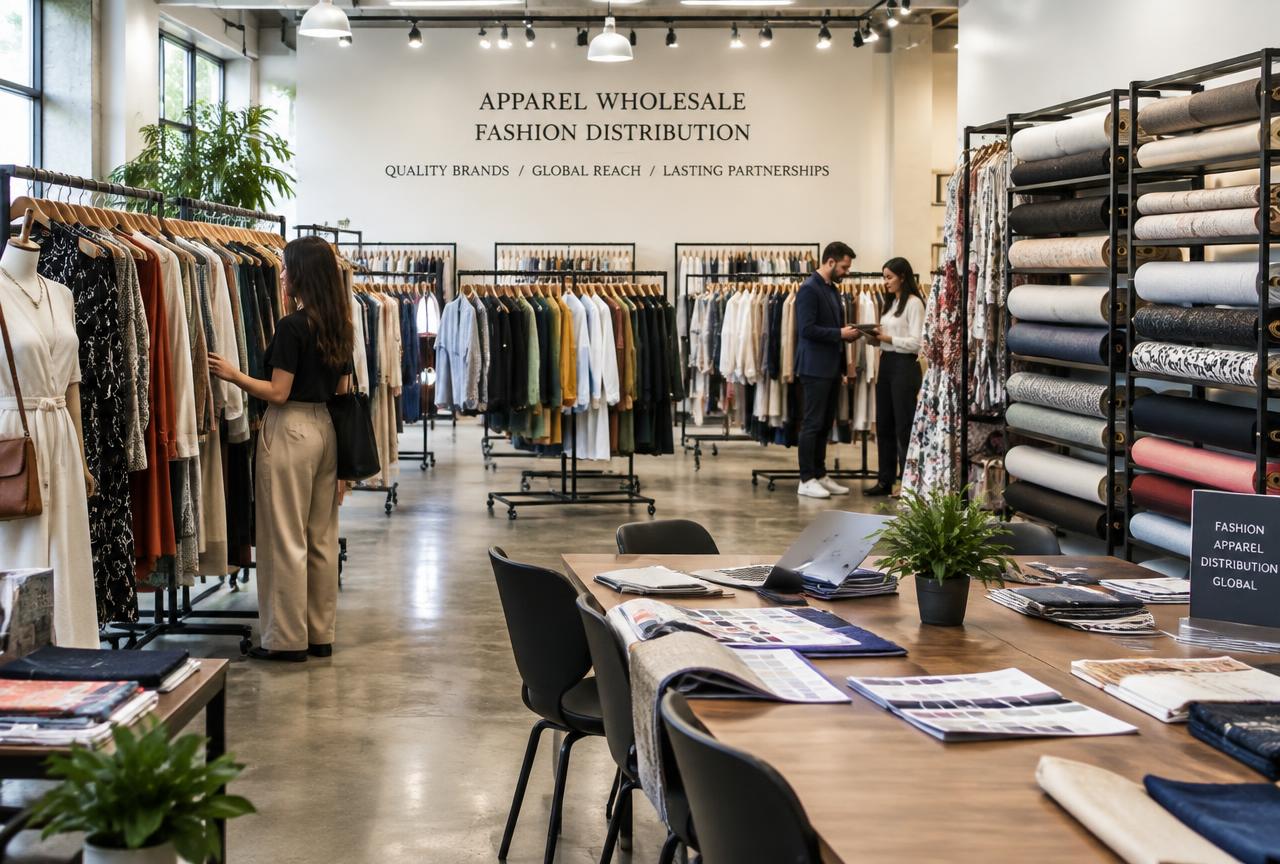
Why is cash flow so tight in apparel & textiles?
Big-box retailers demand long terms and chargebacks while overseas mills want deposits before production.
Payment terms of 60–90 days from retailers are the norm, which means profitable companies can still run out of cash while waiting.
The fix: finance your receivables
PO financing pays your mills and cut-and-sew partners; AR factoring advances on retailer invoices after shipment.
Because approval depends on your customers' credit, growing and younger apparel businesses can qualify.
What the funds are used for
Apparel & Textiles clients most often use funding for production deposits, letters of credit, seasonal inventory, retail expansion.
Practical cash-flow habits
Invoice the same day work is completed, confirm the customer's approval process upfront, track days-sales-outstanding weekly and keep documentation (POs, delivery proof, timesheets) attached to every invoice — funders pay faster when files are complete.
Get a funding quote in 24 hours
Talk to a National Invoice Factoring specialist at (929) 658-8087 or apply online — no obligation.
Apply nowRelated services

Written and reviewed by the National Invoice Factoring funding team — specialists in receivables and trade finance since 2009.